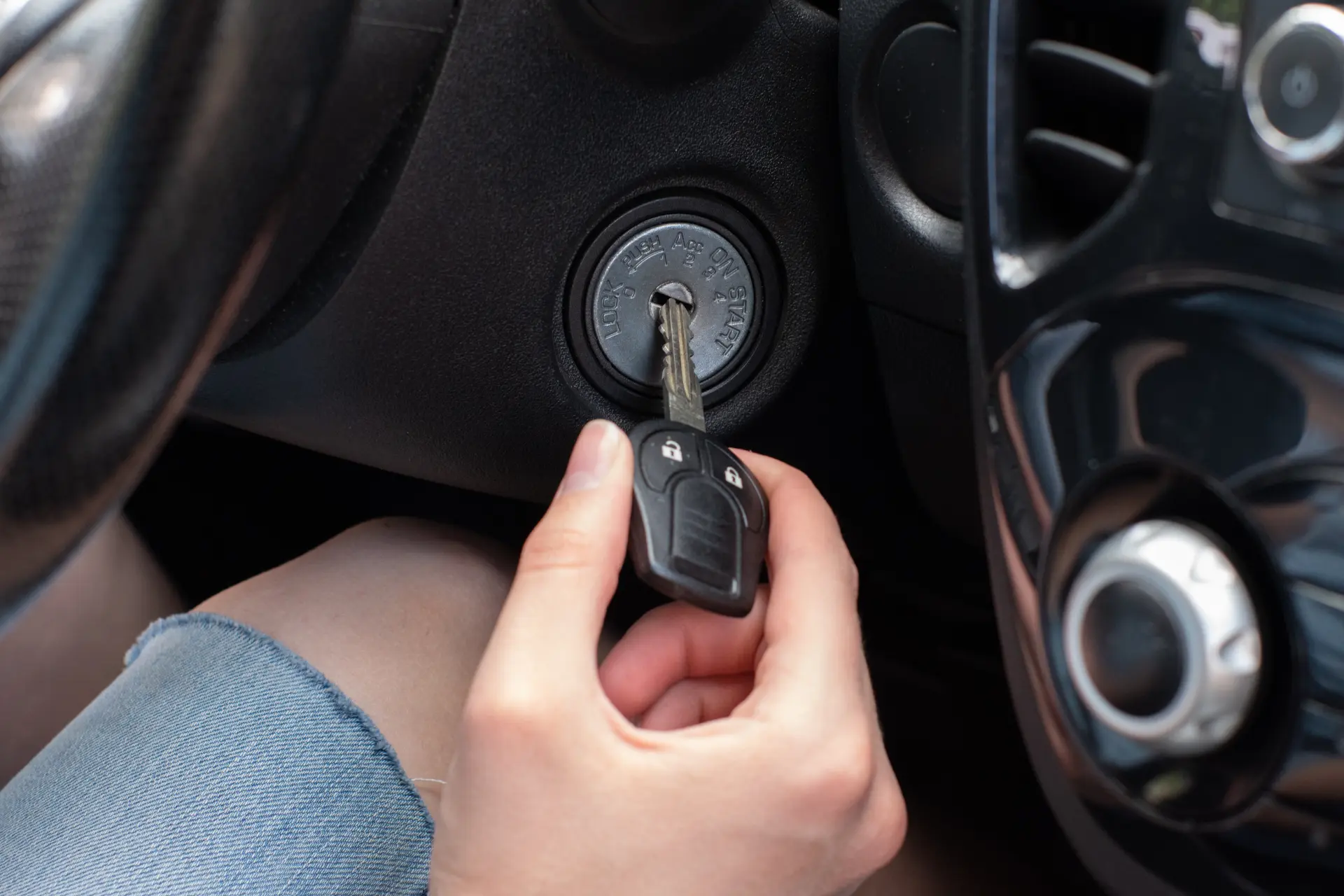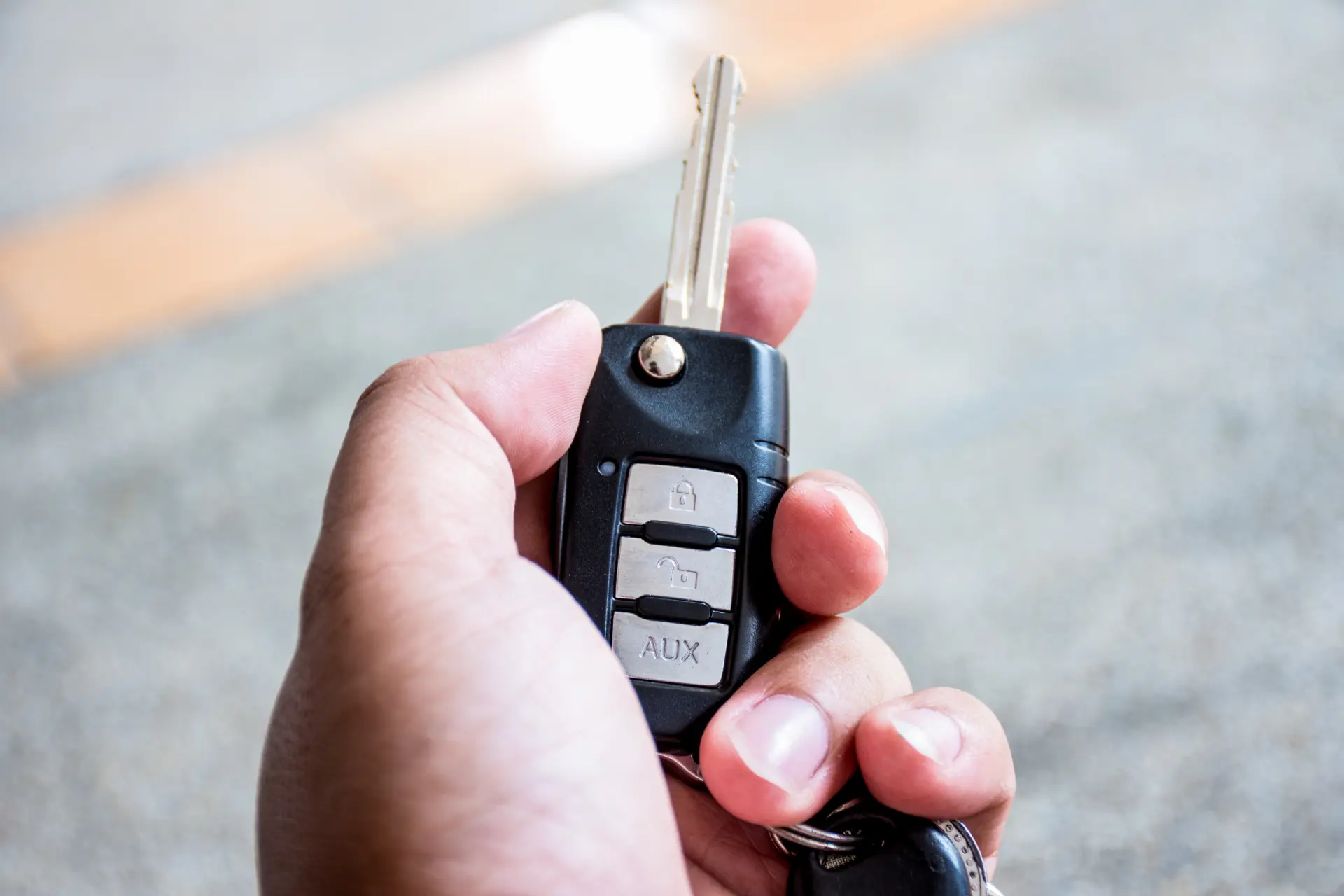
A car key that needs wiggling is asking for attention. The cause may be a worn blade, a damaged key housing or wear inside the lock, and buying a copy without checking can reproduce the problem. Comparing the spare and checking each function separately helps a locksmith decide whether replacement is enough.
Worn Car Key Blade or Faulty Lock in Lancaster
Notice exactly where the difficulty happens. Does the key enter the door normally but resist turning in the ignition? Does it work only when held at an angle? Is the blade loose at the folding joint? These observations distinguish a physical problem from an electronic one, although they do not prove which part has failed.
A worn blade can lose the profile needed to move the lock components correctly. A damaged barrel can also reject an otherwise good key. If the remote buttons work but the blade sticks, the remote battery is unlikely to explain the mechanical resistance. Stop forcing the key: extra leverage can turn an inconvenient fault into a broken blade inside the lock.
Compare the spare without forcing either key
If a known-good spare works smoothly in the same lock, the everyday key becomes the stronger suspect. Compare its blade for bending, cracks and visibly rounded edges. Keep both keys available for the appointment, even if one has not been used for years.
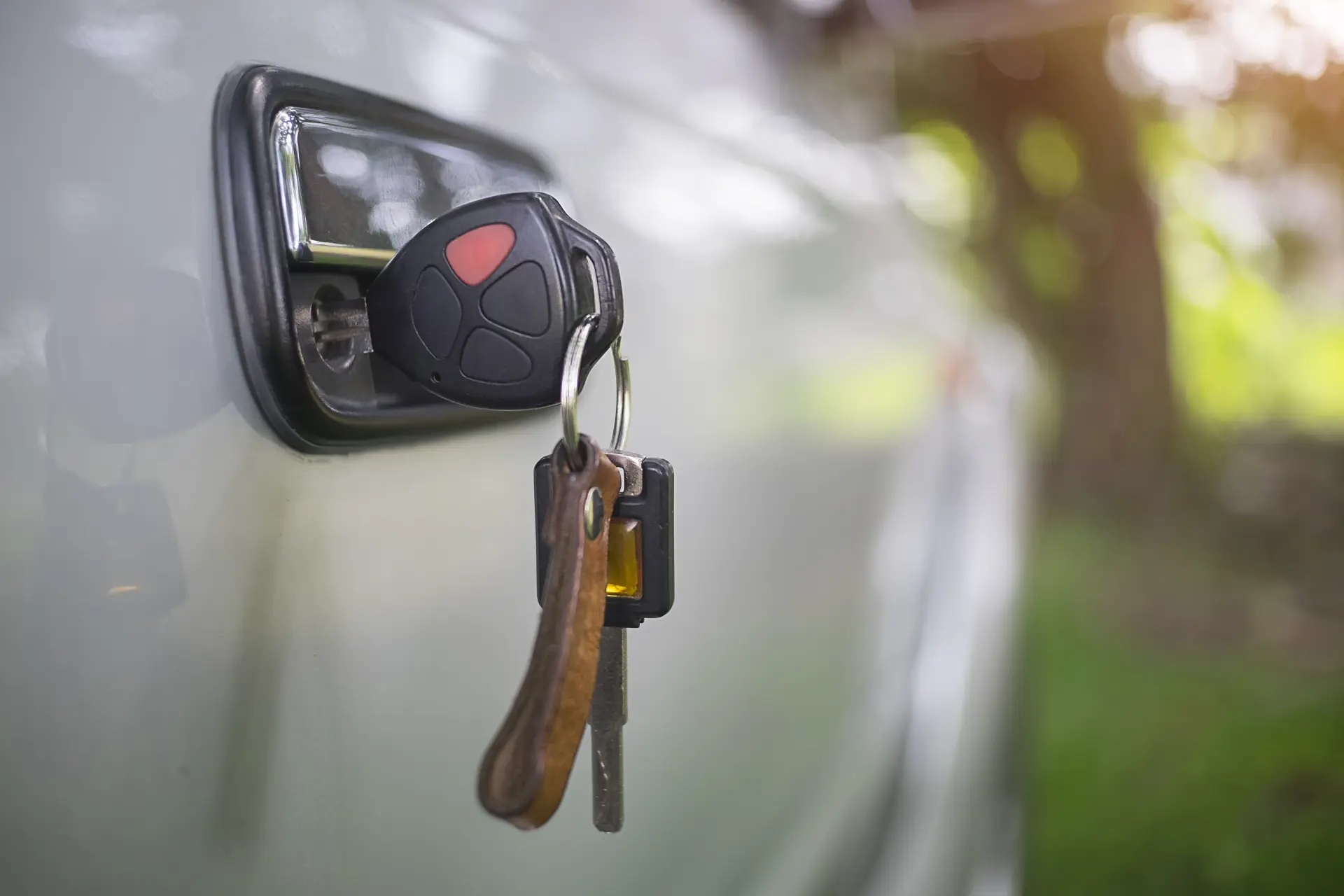
If both keys resist in one lock but work elsewhere, that lock needs investigation. If neither turns in the ignition, steering-lock tension may also be involved; follow the handbook rather than applying force. A spare is evidence, not a complete diagnosis, because two keys can share wear or have been copied from the same inaccurate original.
Why copying a worn blade can disappoint
A straightforward duplicate follows the shape of the key presented. If that shape has already worn away, copying it can preserve the error. Where the vehicle and available information allow, a specialist may cut a replacement to the correct original specification instead of tracing the worn outline.
Ask how the correct cut will be established and whether the door and ignition still use matching locks. A vehicle repaired after a theft attempt may have different lock components. Ordering against the registration alone will not necessarily reveal that history. Do not publish or send key codes casually; supply them only through the provider's agreed secure process.
Decide what actually needs replacing
A cracked shell with intact electronics is different from a damaged transponder or an unreliable circuit board. Some keys can have a housing or blade repaired while retaining compatible working components. Others need a complete replacement and programming. Transferring components is not automatically possible or sensible on every model.
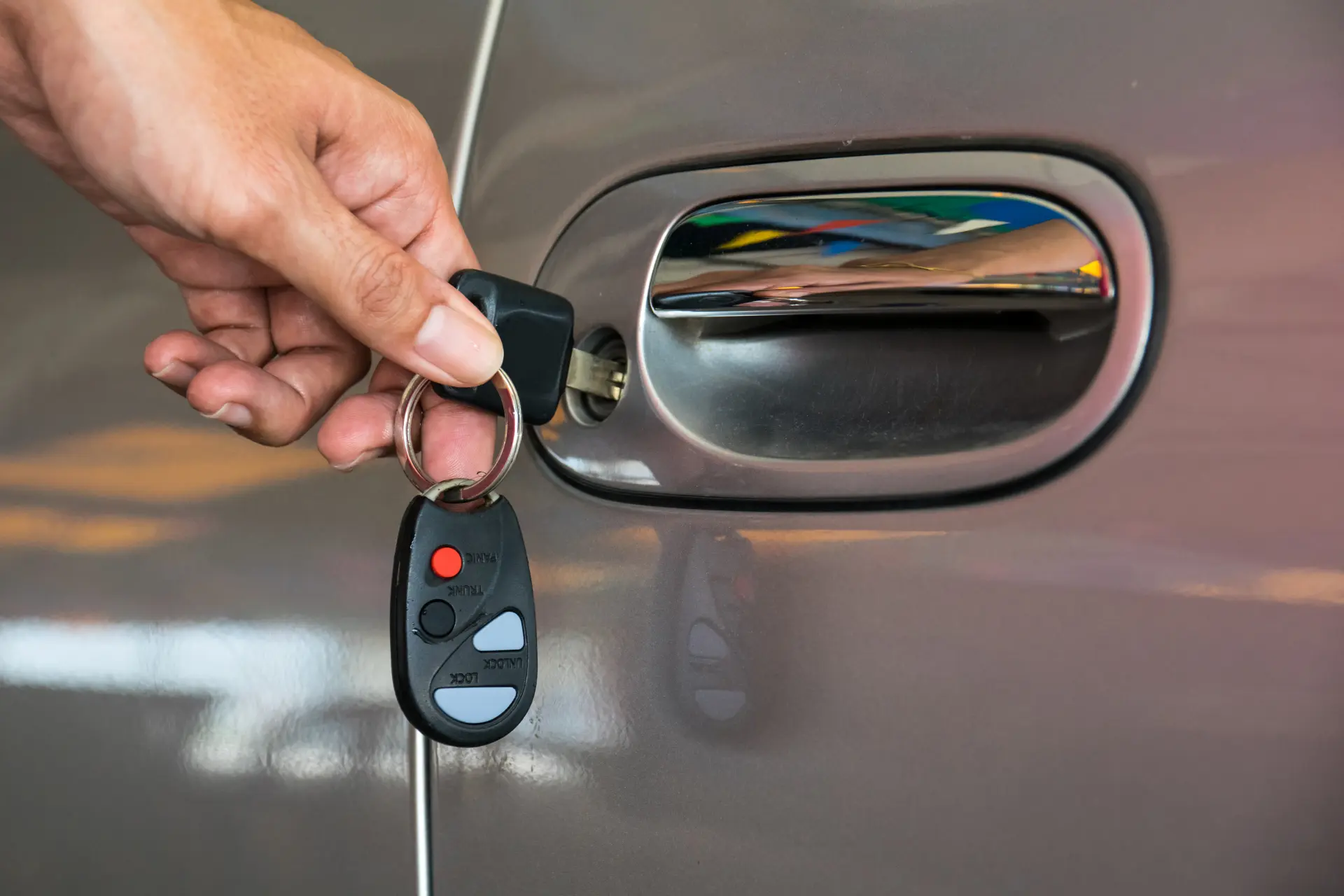
Describe the result you need: dependable mechanical access, reliable remote locking and a key that starts the car. Ask for a quote covering cutting, any necessary programming and testing. A low blade-only price cannot be compared directly with a fully working electronic replacement. Agree what happens if testing reveals a lock fault as well.
Check the finished key in everyday use
Before the visit ends, test every function supplied: driver-door access, ignition or start authorisation, remote buttons and the emergency blade where fitted. Keep the driver's door open when first checking locking so a fault does not leave the only working key inside. Follow the technician's directions for the particular car.
A new key should not depend on the same wiggling routine as the old one. If resistance remains, ask for the lock findings rather than accepting that the new blade simply needs wearing in. Store the spare separately and act on increasing stiffness early. Heavy keyrings and using the key as a tool add avoidable strain.
Figures and sources
Green Flag reported in May 2025 that 21% of its 2024 key-related callouts involved keys jammed in a lock or ignition. That is its callout mix, not the chance that any individual key will jam. Read the original figures.
Further technical references:
AA guide to keys and transponders
Sources checked 6 November 2026.
Summary and next step
A stiff or unreliable key deserves a check of both the blade and the lock. Ask Vehicle Keys And Electrical about a properly matched replacement in Lancaster, with cutting and electronic functions checked before you rely on it.