A battery that repeatedly goes flat while the car is parked needs more than another jump-start. The cause could be a failing battery, inadequate charging or an electrical load that stays awake after shutdown. A useful investigation checks those possibilities in order, then measures the parked vehicle without disturbing its normal sleep behaviour.
Car Battery Flat Overnight in Lancaster
A discharged battery is the symptom, not necessarily the failed component. Repeated short trips, long periods parked and a battery that no longer holds enough charge can all resemble an unwanted electrical drain. A battery test and a charging-system assessment establish whether the car has a sound starting point.
Tell the electrician how old the battery is, when it was replaced and whether the problem began before or after that work. On cars requiring battery registration or a particular battery technology, confirm that the replacement was appropriate. Fitting another battery without checking the charging strategy and state of charge can leave the original complaint unresolved.
What a parasitic drain test measures
Vehicles use some electricity when parked: alarms, clocks and control units do not all turn off completely. A parasitic drain is an excessive or persistent demand beyond the vehicle's expected resting behaviour. There is no single current limit or waiting period that correctly diagnoses every model.
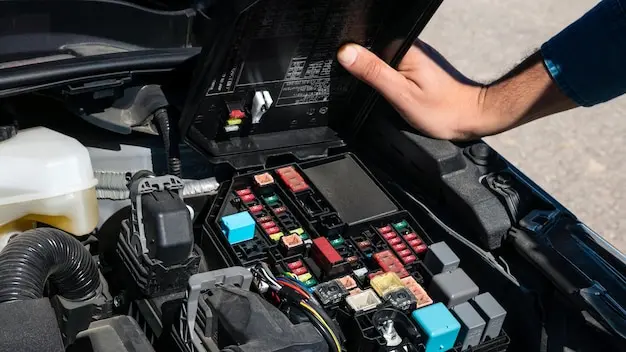
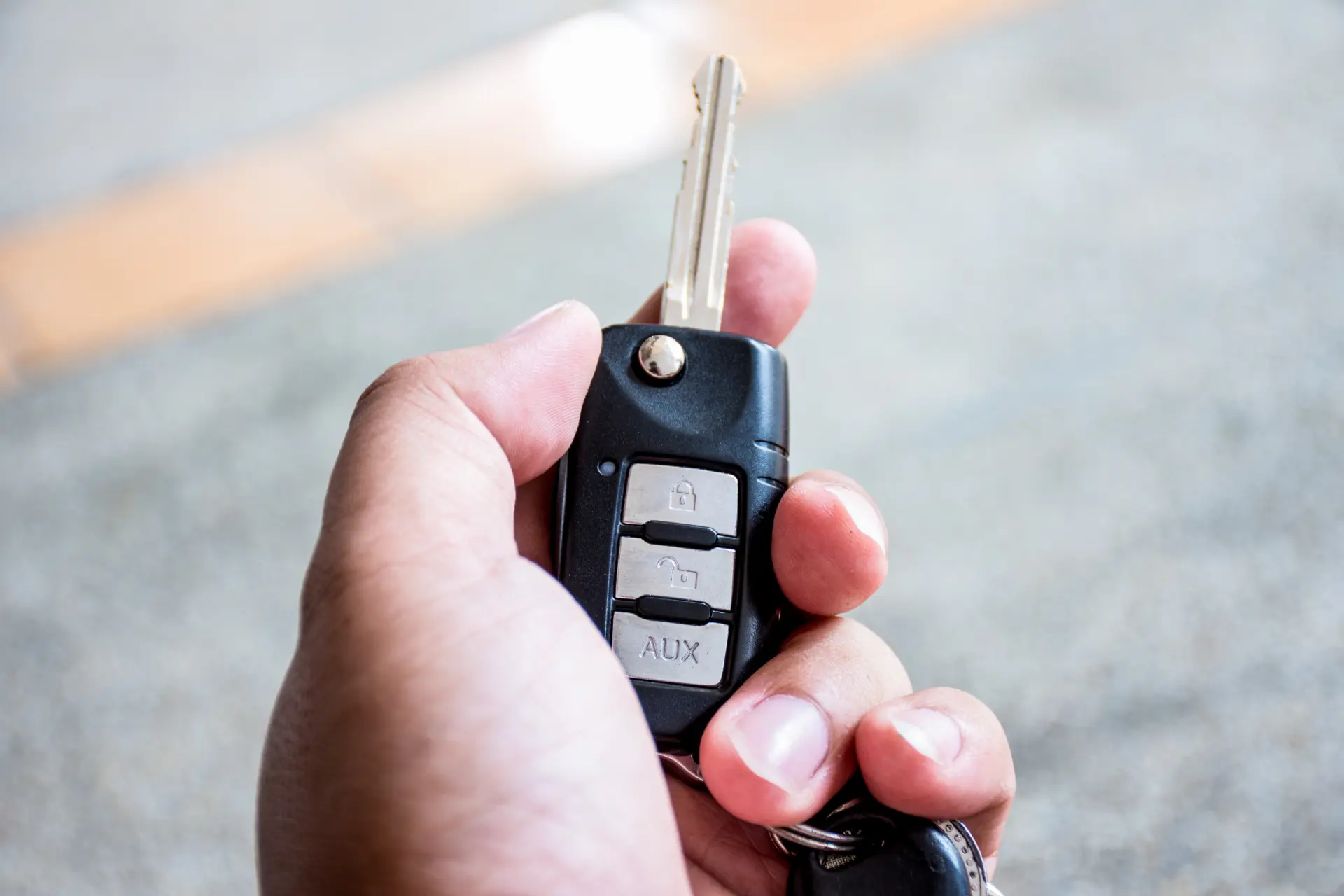
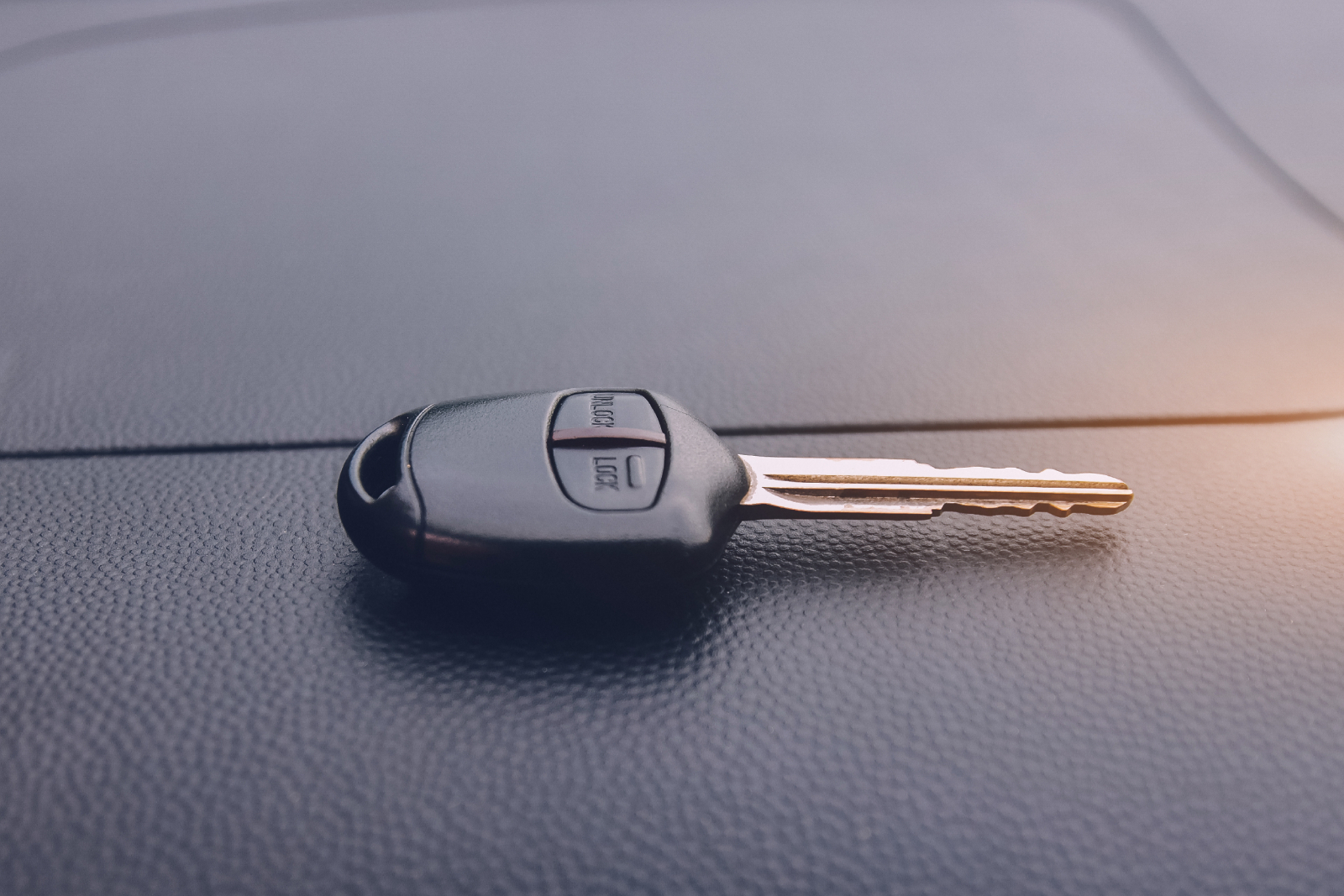
The technician allows systems to shut down and observes the current over time. Opening a door, leaving the key nearby or communicating with a diagnostic tool can wake modules and change the reading. That is why a quick measurement straight after locking is not always useful. Intermittent wake-ups may require longer monitoring rather than an immediate parts recommendation.
Need local vehicle key or electrical help?
Vehicle Keys And Electrical supports drivers across Lancashire and Cumbria, including:
Accessories and recent work are useful clues
Mention hardwired dashcams, trackers, aftermarket stereos, charging adapters and any recently fitted equipment. A correctly installed accessory can still use power in a parking mode; the questions are whether its supply arrangement suits the vehicle and whether any low-voltage protection is working as intended.
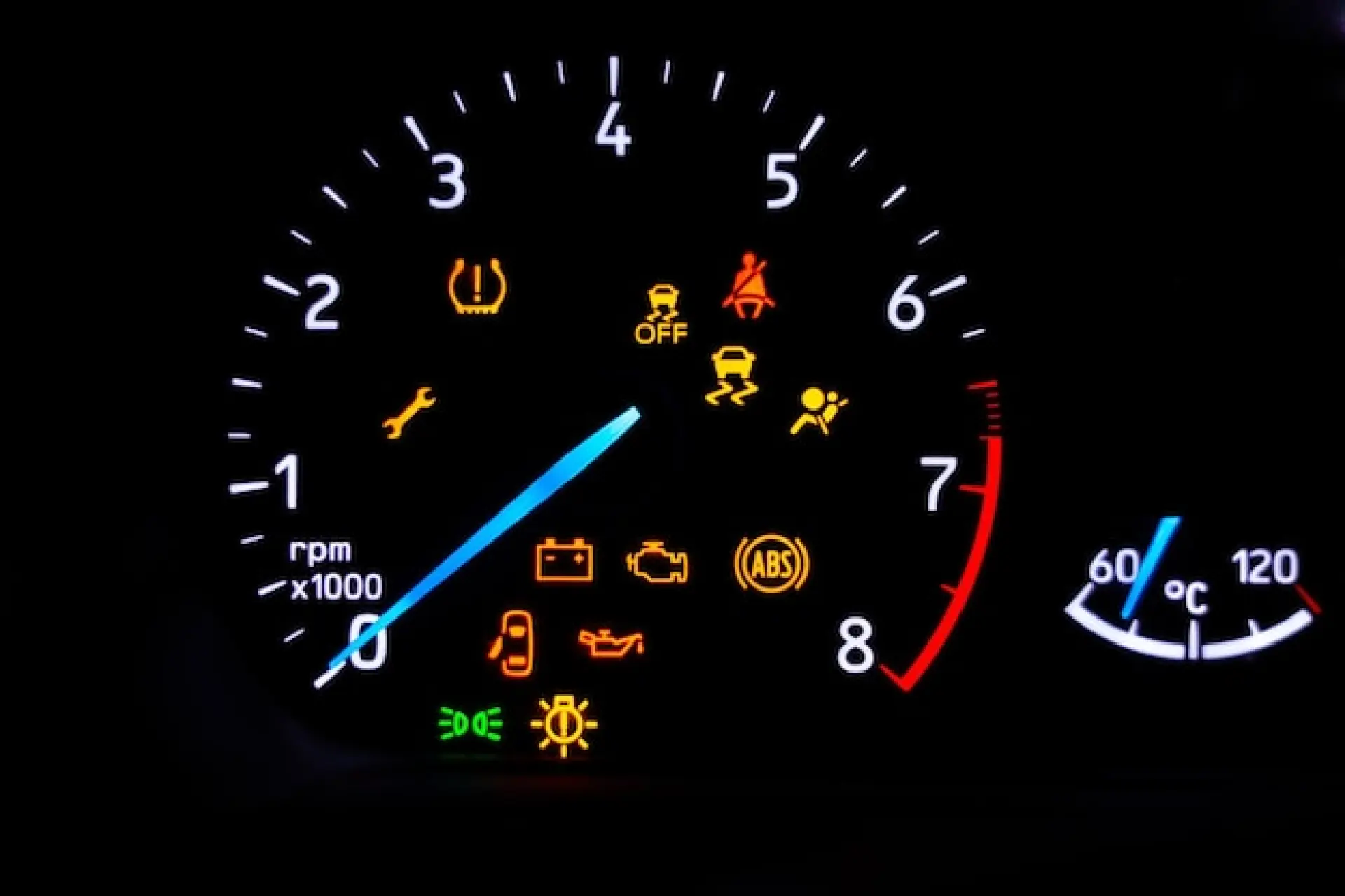
Also report a boot lamp that stays on, a door-open message, repeated alarm activity or an infotainment system that restarts by itself. These are clues, not proof that a particular component needs replacing. Avoid pulling random fuses before the appointment. That can change the fault, reset useful information or interrupt systems which need a controlled shutdown.
Why the car may need to stay for observation
A drain that appears every night is easier to capture than one that happens once a fortnight. Let the workshop know how long the car normally takes to fail and whether the pattern changes with weather, parking location or key storage. A record of dates is more useful than saying it is always flat.

Ask what the first diagnostic allowance covers and when additional monitoring would require approval. The electrician may need access to the locked vehicle while keeping its electronics undisturbed. Tell them about security trackers and separate alarms. Do not promise yourself a same-hour fix when the fault needs a full sleep cycle to appear.
What evidence shows the repair worked
The repair should address the measured cause, followed by a repeat observation of the parked vehicle and a battery condition check. A battery damaged by repeated deep discharge may need replacement as a separate consequence; removing a drain cannot restore lost battery capacity.
Ask for a plain explanation of the abnormal load, the circuit responsible and the check made afterwards. If no abnormal drain was captured, that should be stated clearly with the next monitoring step. For drivers in Lancaster, Vehicle Keys And Electrical provides electrical fault-finding; describe the overnight pattern when booking so the time allowed matches the investigation.
Figures and sources
ADAC’s 2026 breakdown analysis attributed 45.4% of the breakdowns it evaluated for 2025 to the 12-volt battery. These are German roadside data, not a UK estimate or a measure of parasitic-drain frequency. Read the original figures.
Further technical references:
HELLA Ford Focus water-ingress case
Sources checked 6 November 2026.
Summary and next step
Repeated overnight battery failure is a reason to investigate charging, battery health and parked current together. Arrange an electrical assessment with Vehicle Keys And Electrical before replacing more parts by guesswork.